
THE TRADWIFE ILLUSION: SELLING DEPENDENCE AS FREEDOM
From Yesteryear to the economics of unpaid work, household power and national prosperity.
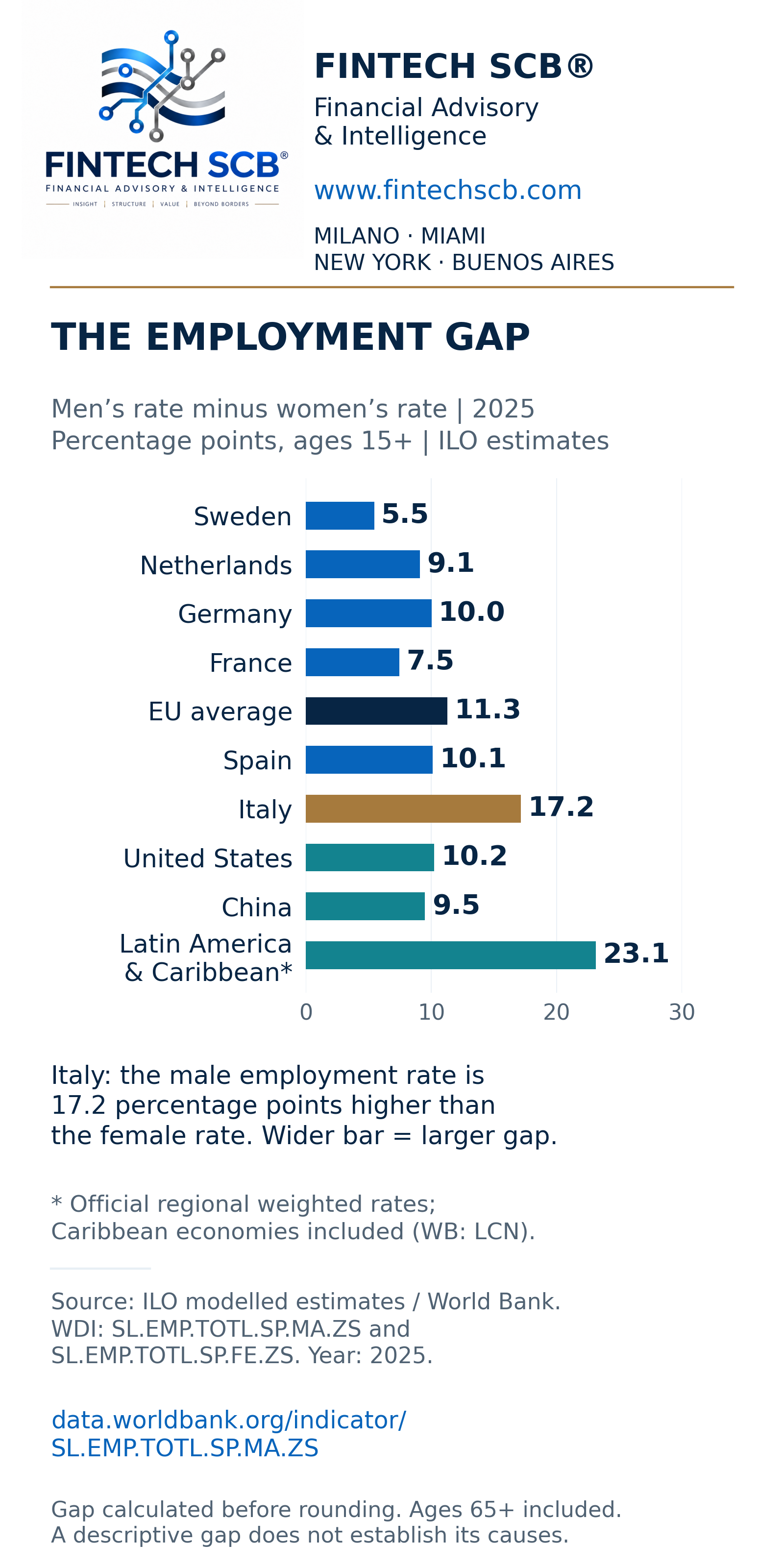
The most expensive sentence in the traditional-family debate may be the most ordinary: “My wife does not work.”
If she raises children, prepares food, cleans, manages appointments, supports elderly relatives and organises the conditions under which somebody else can earn a salary, she works. What she may lack is a wage, an employment contract, an independent pension and a readily marketable claim on the value she creates.
That distinction contains an entire economic system. It separates production from payment, contribution from ownership, affection from bargaining power. It also explains why the tradwife phenomenon deserves a more serious examination than either admiration for beautiful kitchens or contempt for women who enjoy domestic life.
Here, tradwife means the public ideal of the “traditional wife”: domesticity and a gendered division of responsibilities presented as a desirable way to organise marriage, often around a male provider. It is not a useful label for every mother at home, every religious household or every person who enjoys cooking. Those categories contain widely different beliefs and financial arrangements.
Caro Claire Burke’s Yesteryear, published in April 2026 and being adapted into a film starring Anne Hathaway, provides an unusually effective starting point. Its protagonist, Natalie Heller Mills, markets a perfect domestic existence supported by modern equipment and people working behind the scenes. The publisher’s synopsis then places her in the brutal conditions of 1855. The premise exposes the distance between displaying an idealised past and bearing its material costs. [1]
For an economist, the revealing question begins before the historical nightmare. Who pays for the apparently effortless household? Who owns the business? Who does the invisible work? Who can stop performing without losing everything?